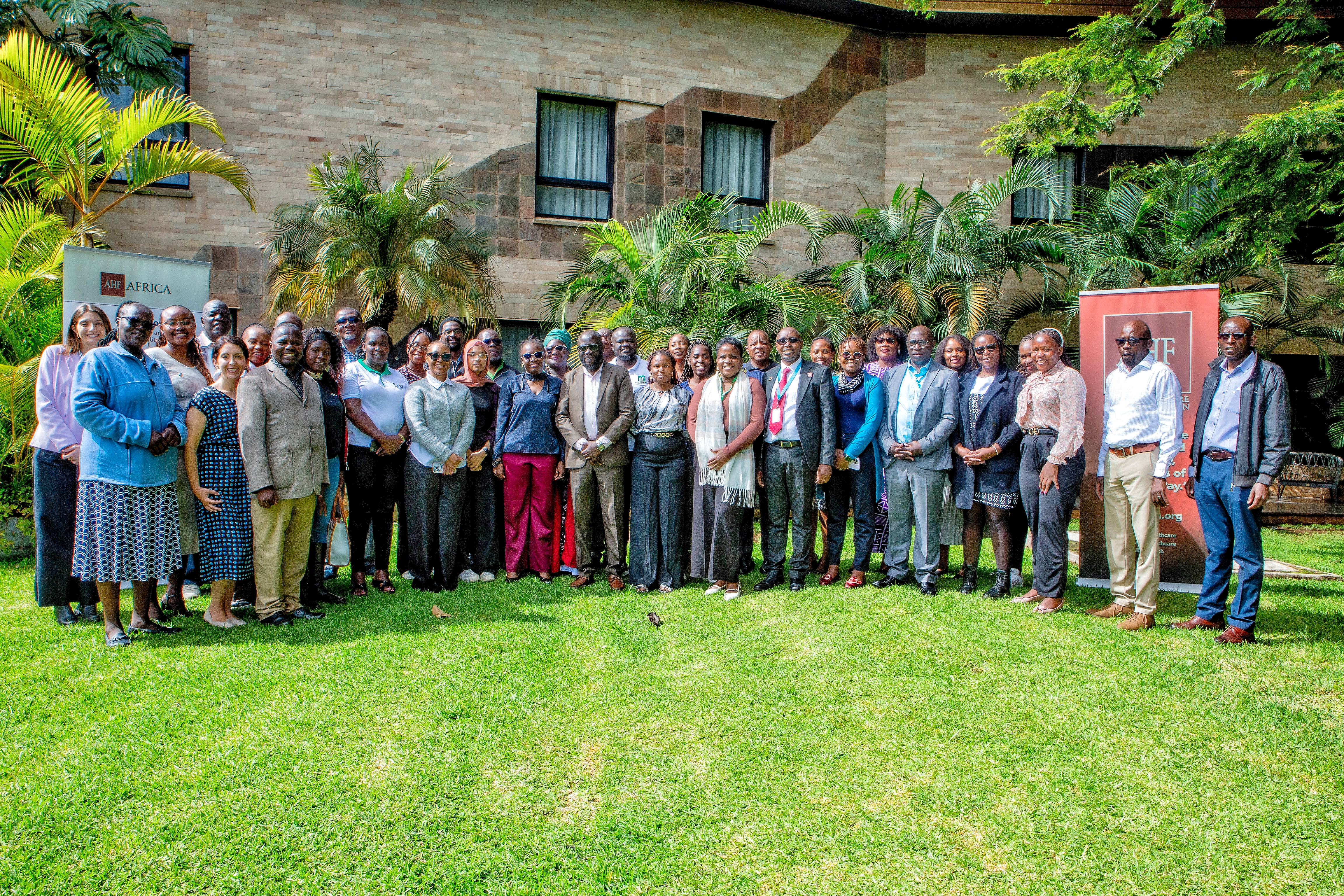
NAIROBI, Kenya – The Ministry of Health, through its Division of Nursing and Midwifery Services, has officially launched the Nurse of the Year Award (NOYA) 2026, a landmark initiative to recognize, celebrate, and uplift the country's nursing workforce. Described as Kenya's largest nursing recognition program, NOYA 2026 aims to honor exceptional nurses across all 47 counties, from private clinics to public hospitals. With the theme of promoting professional excellence in support of Universal Health Coverage, the award seeks to shine a spotlight on the dedication, innovation, and compassion of nurses who form the backbone of Kenya's healthcare system. The launch took place during Nurses Week, with the climax celebration scheduled for May 12 at Carnival Ground, where high-ranking dignitaries are expected to attend.
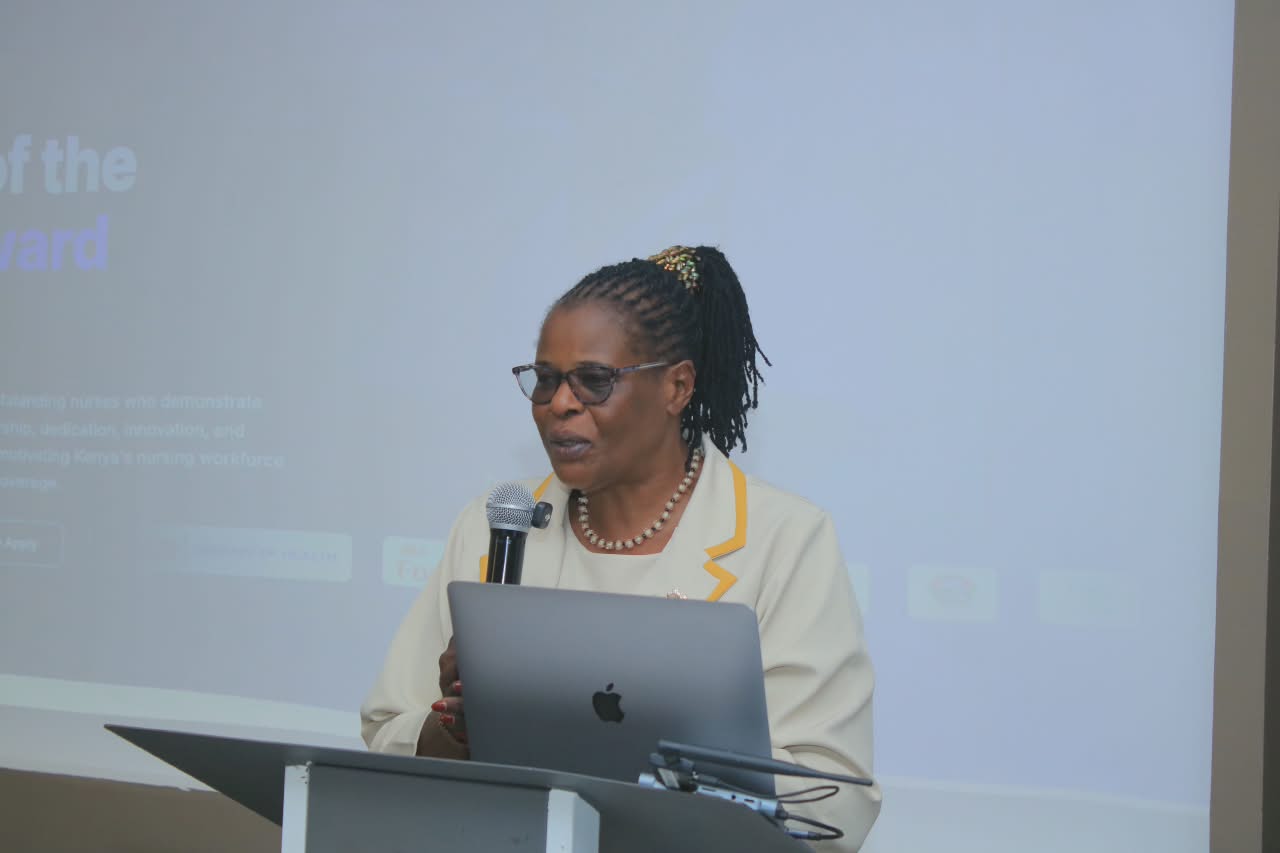
In a passionate address marking Nurses Week, Dr. Judith Awinja, Director of Nursing Services at the Ministry of Health, called on all nurses to take pride in their profession. "Happy Nurses Week," she said. "You should be proud of yourselves. It's your week, and we need to celebrate. We need to celebrate our week. We didn't need to showcase who we are. We didn't need to affirm and let the public understand what we do and who we are." Reflecting on the profound role of nurses, she continued, "How we bring them even on earth and see them off. That is just a quote that has always been given from somewhere in Kenya. You see, people are so special. You see people coming to life, and you see people going back to God. So you are like the second God, the second to the Almighty God. It was just a joke, but the reality of the truth of the matter is that's what happened." Dr. Awinja emphasized unity among nurses, stating, "As a team, we need to work together, we need to work closely, we need to be one, and we need to be united. And we are demonstrating it this time as we are going to celebrate the climax of Nurses Week on the 12th at Carnival Ground. Yes, at Carnival Ground, and we have very high dignitaries who shall be coming. We are very happy and proud, and we really need to reduce our needs."
Turning her attention to the NOYA award, Dr. Awinja shared her personal connection to the initiative. "So part of what is really very important on that day is the Nurse of the Year Award, which has been chanted for more than 10 years. And I'm proud to say I'm also part of one I got in 2000, Nurse of the Year Award, and I'm very happy about it. So when I see it coming back, it really motivates and empowers nurses to be who they are. It transforms you and gives you the sense of being who you are. So it's a very important thing that we're going to launch, and nurses are really going to battle for it." She highlighted the award's commitment to transparency and integrity, explaining, "It's going to be online fully so that we don't make any mistakes. So that we don't have anything that goes wrong. It's just accountability. Of course, this is going to be very media-appropriate, but trust what I think. Integrity fully, more than 100 percent. Because it's purely online, and the people who are going to nominate the awardees are not even going to see the nurses, which makes it even better, full of integrity. So it's going to be a very, very important thing. The person who will be picked will really be authentic. That person is going to be the Nurse of the Year." Concluding her speech, Dr. Awinja reminded nurses of their indispensable value to the healthcare system. "So I just want to invite you all to this very important occasion, this very important forum for the nurses who want to feel full of ourselves, who want to feel that we are the ones managing the system. Actually, 70 percent of the healthcare system – without you, the system would break down. So you should be proud of yourselves as we start this week. We should showcase who we are, and as we finish with the launch of the award, we shall be proud to be part of everything that everyone will respect."
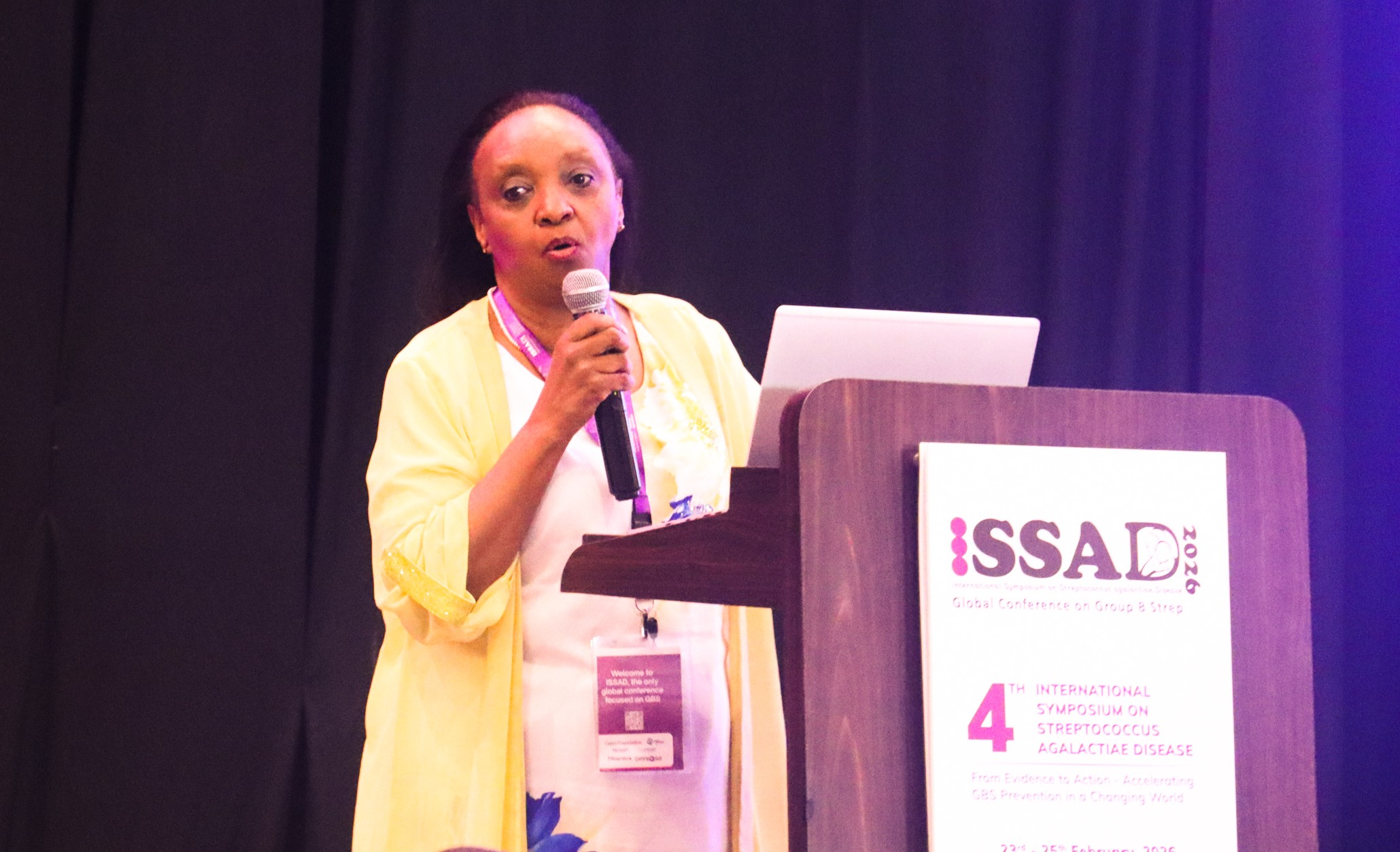
Also addressing the gathering was Eunice Atsali, recently elected as the African Midwife representative to the International Confederation of Midwives (ICM), where she now serves as Vice President. Speaking on the power of mentorship and leadership pathways for nurses and midwives, Atsali began by acknowledging her dual identity. "There is a very new role that I've just been elected, and that's African midwife, to represent midwives of Africa at the International Confederation of Midwives. So those are some of the things midwives and nurses can do. And I cannot deny myself of being a nurse completely, because, of course, before the injection of midwifery was injected in my life, I was a nurse. So I trained as a nurse, and eventually I knew what I really wanted was to do midwifery. Because we didn't have that part in Kenya, I did nursing and then I progressed to doing midwifery at the time." She then shifted focus to the critical role of mentorship. "So apart from speaking about myself, I would like to speak about the role of mentorship, strengthening mentorship in Kenya. Apparently, in healthcare professionals, while we do training and education in healthcare systems, we also have a role when it comes to mentorship. You cannot be a good midwife or a good nurse without appropriate mentorship, without someone you look up to, who will strengthen you as a healthcare professional, who will show you the pathway on how to work in healthcare."
Atsali illustrated her point with a personal story from her early career. "I'll give an example. As a young nurse working in a private institution, I wanted to become a midwife, that's what I wanted. I was itching to be a midwife. At that time, I became a midwife because I didn't call the department. I said, 'No, I just wanted to be a midwife.' But in that particular health system, you needed to be a midwife to work in labor ward and that's the place I wanted to work. So when I went to the mentor, who was the clinical receptor at the time, I told them I wanted to go and do reproductive health. And they told me, 'Unfortunately, we don't have reproductive health in the country.' So the path was: you must do a Bachelor of Science in nursing, and then you decide to do whatever you want to do. So I went with my Bachelor of Science in nursing, all my research, preceptorship, everything I did regarding midwifery. Then eventually, I was lucky to get a scholarship courtesy of J&J to do my Master's in midwifery. I did my Master of Science in midwifery in the UK. At the time, we didn't have midwifery in the country. So courtesy of that mentor who showed me this is the path, that's the only way you can progress in the path that you need. So that aspect of mentorship is very important in healthcare."
On the subject of leadership, Atsali emphasized that it begins early in a nurse's education. "When it comes to leadership, we train and empower our midwives and nurses from undergraduate level. So during their training, we make sure we train them, we empower them to be leaders from that very point of being students. We identify people who can be leaders, there are people who demonstrate leadership skills very early in life and direct them to where their pathway will be strengthened. Leadership begins quite early in life, from a bachelor's level." She traced the natural progression of leadership in healthcare, explaining, "And as they go ahead into the healthcare system, from the beginning, you are given something to do with being a team leader. So as you start working, you are mentored and you become a team leader. Then suddenly you become a work leader, then you become in charge of a unit, then eventually you go ahead and become a hospital leader. But at the same time, we are empowering our nurses and midwives to be leaders even in the community so that they can give maternal and newborn health to the community. Because statistics show that many women have complications from the community. Therefore we need a midwife leader at that particular level, or a nurse leader, to ensure there are no maternal mortalities."
Atsali outlined the multiple pathways where nurses and midwives can lead, including associations and politics. "We can also have leadership in hospital settings, leadership in associations, for example, we have the president here and the vice president here. There are many pathways of leadership. We have now nurses and midwives being leaders also in politics. We have political leaders that are now nurses and midwives, and we want more in those spaces. Because in those spaces, we are able to change the narrative of healthcare in this country, speaking from a knowledge point of view. And of course we have leaders at the global level. For example, now I'm leading at the global level representing Africa, voicing what midwives in Africa require and what our problems are. At the global level, a cause of maternal mortality is medical-related suicide. But when it comes to Africa, it's a simple thing like bleeding that can actually be prevented. So we have to voice as leaders so that our problems are handled as our problems in this particular continent." She concluded with a call for institutional support and courage. "Institutional support is very important that we need our institutions to support leaders from whichever level. There is a culture, especially in healthcare systems, where when you are a leader, sometimes you are a threat. So I think that's one of the things that even us from the association level need to try as much as possible to empower our healthcare institutions and our leaders, and those in the healthcare system, to ensure that we are actually building a workforce that will be able to lead without fear and contradiction and that can advocate not just for themselves but also for the healthcare workforce.
NOYA 2026 will confer awards across six critical domains, including Clinical Excellence for outstanding evidence-based practice and patient outcomes; Nursing Leadership for inspiring teams and driving systemic improvements; Primary Healthcare for exceptional care in Level 2 and 3 facilities; Nursing Education for shaping the next generation of nurses; Research and Innovation for advancing nursing knowledge through rigorous research; and Entrepreneurship for innovative healthcare enterprises addressing service delivery gaps. All registered nurses practicing in Kenya with at least two years of experience in any specialty, including community health, mental health, midwifery, pediatrics, and critical care, are eligible to apply. There are no registration or submission fees, ensuring equal opportunity nationwide.
The application process is entirely online via the official NOYA portal at https://noya.afyareach.cloud/apply. Nurses must create an account, complete all sections of the form, and upload four required documents: proof of current employment (Nurse ID or letter from institution), proof of at least two years of nursing experience, their highest nursing education qualification, and a passport-size photograph. Unemployed or independent nurses may submit a self-declaration letter in lieu of employment proof. Applications close in August 2026, and once submitted, an application cannot be edited, so candidates are urged to review all sections carefully before final submission. A distinguished panel of nursing professionals will evaluate submissions across three phases, including the County, Regional, and National, culminating in a national gala where the ultimate Nurse of the Year 2026 will be crowned.